10 Ways to Build a Zero Waste Skincare Routine That Actually Works
Most skincare routines quietly generate a surprising amount of trash. Empty serums, plastic pump bottles, cotton rounds, and they add up faster than most people expect.
Switching to a zero waste skincare routine doesn't mean sacrificing results. It means being more deliberate about what you buy, how you use it, and what it's packaged in.
The Real Cost of a Typical Skincare Routine
The average person uses seven skincare products daily. That's potentially seven plastic containers heading to landfill every few months. According to the Environmental Protection Agency [1], the U.S. generates over 80 million tons of packaging waste annually, and personal care products are a significant contributor.
What makes this harder is that most skincare packaging, especially pumps, tubes with metallic liners, and airless bottles can't be recycled through standard curbside programs. You toss what feels like a small bottle, but multiply that across a household for a year, and it's a real pile.
Switching to a zero waste skincare routine doesn't require a dramatic overnight overhaul. Most people find that replacing products one at a time, as they run out, makes the transition feel manageable rather than wasteful.
1. Start With a Skin Audit, Not a Shopping Spree
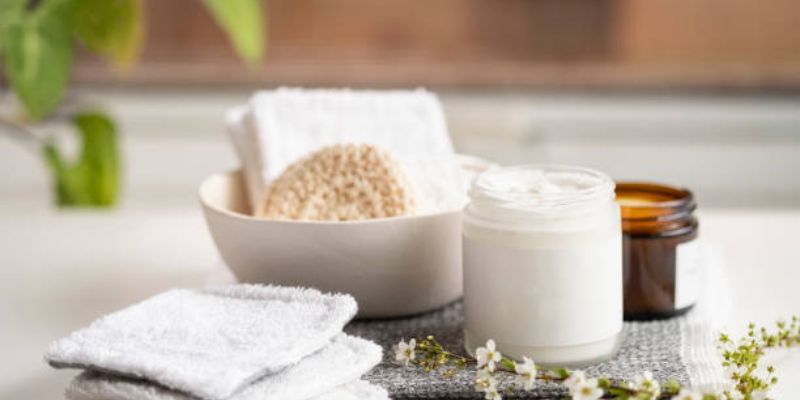
Before buying anything "eco," take stock of what you already own. How many of those products are actually working? Clearing out half-used bottles you'll never finish is the first real step.
Write down your current routine and be honest about what you use consistently versus what sits on the shelf. Most people discover they're using three to four products regularly and the rest are occasional at best. A leaner routine is almost always a less wasteful one.
2. Switch to Solid Cleansers First
Cleansers are the easiest category to swap out because solid alternatives are widely available, affordable, and genuinely effective. A good cleansing bar, like those from brands such as Ethique or Pai Skincare, typically replaces two to three liquid bottles and comes in fully compostable packaging.
Look for pH-balanced formulas, since skin cleansers should sit between 4.5 and 5.5. Many people who've made the switch say they were skeptical at first, especially about cleansing bars feeling "soapy" or drying. The newer generation of solid cleansers is nothing like a bar of soap from the drugstore.
Solid cleansers also last longer. A typical bar equivalent to a 300ml bottle lasts around three months with daily use.
3. Use Refillable Packaging for Serums and Moisturizers
Refillable skincare has genuinely improved in quality. Brands like Kjaer Weis, Fenty Skin, andループ (Loop) have built their entire model around refillable aluminum or glass containers that you keep and restock with much smaller, cheaper inserts.
The Kjaer Weis foundation compact, for example, costs around $68 for the case and $38 for a refill, versus buying a new product at full price each time. Over two years, the savings add up noticeably. More importantly, you're throwing away a fraction of the material.
Glass and aluminum are both infinitely recyclable and far more likely to actually get recycled compared to multilayered plastic tubes. If a brand offers refills, that's worth prioritizing even if the upfront cost is slightly higher.
4. Replace Disposable Cotton with Reusable Alternatives
Single-use cotton rounds are one of the most thoughtless habits in skincare. A pack of 100 costs about $3 and lasts maybe two weeks for someone using toner daily. That's roughly 26 packs per year per person, most of which end up in the trash.
Reusable cotton rounds, such as those from LastObject or handmade from organic cotton terry, are washable and last for years. A set of 16 reusable rounds costs around $12 to $18 and replaces hundreds of disposables. Users who've switched often mention they actually prefer the texture, especially for applying toner or micellar water.
The same logic applies to cotton swabs. LastObject's LastSwab is a silicone reusable option that has sold over a million units globally, which says something about how many people are willing to make small swaps when the product is actually good.
5. Choose Concentrated Formulas to Reduce Volume
Concentrated products are often overlooked in the zero-waste skincare conversation. A 30ml vitamin C serum that requires only three to four drops per use will outlast a 100ml serum applied generously, often by months.
Brands like The Ordinary and Medik8 lean heavily into concentration without inflated volume. Using less product means buying less product, which means less packaging overall. It also tends to be more economical. The Ordinary's Niacinamide 10% + Zinc 1% at $6.80 for 30ml lasts most people around two months with twice-daily use.
The key is applying the minimum effective amount. Most serums are designed so that a pea-sized drop or two covers the entire face. Going heavier doesn't improve results.
6. Recycle Through Brand Take-Back Programs
Standard recycling won't accept most skincare packaging, but several brands and retailers have built their own take-back programs. Kiehl's has collected and recycled over 200,000 pounds of packaging since launching their in-store returns program. MAC Cosmetics [2] offers a Back-to-MAC program where returning six empty containers earns a free product.
TerraCycle, a specialist recycling company, partners with skincare brands to handle materials that regular recycling can't. Garnier partnered with TerraCycle to recycle beauty packaging across thousands of collection points in the U.S. These programs aren't perfect, and they don't offset the impact of continued overproduction, but they're meaningfully better than landfill.
Before tossing any container, check the brand's website for a returns or recycling option.

7. Make Simple Swaps in Your SPF Routine
SPF is non-negotiable, which makes it harder to swap out without careful research. But the category has caught up. Mineral sunscreens in aluminum tubes, like those from Babo Botanicals or Raw Elements, work well and come in far more responsible packaging than most mass-market options.
Raw Elements, a certified natural sunscreen brand, uses recyclable aluminum tins for its stick and tin formats. Users tend to either love or mildly complain about the slight white cast from zinc oxide, but for daily wear under makeup, it's minimal. Tinted mineral options have largely solved this problem.
Avoid aerosol SPF sprays entirely. The cans are rarely recyclable, and the formulas typically use chemical UV filters, which some research has flagged as potentially disruptive to marine ecosystems.
8. Look for Waterless and Anhydrous Products
Water is the first ingredient in most skincare formulas, which means you're partly paying to ship and package water. Waterless or anhydrous (oil-based, water-free) products are more concentrated, require smaller quantities, and often come in simpler packaging.
Facial oils, balms, and butter-based moisturizers fall into this category. A 30ml facial oil from a brand like Weleda or Herbivore can replace a 150ml lotion when used correctly. These formats also tend to have longer shelf lives since water-based products require more preservatives to stay stable.
This isn't for every skin type. If you have oily or acne-prone skin, heavy anhydrous products may not work well. But for dry skin users, the switch to a balm-based moisturizer is often a revelation.
9. Read Ingredient Lists for Plastic Microbeads and Hidden Synthetics
Plastic microbeads were banned in U.S. rinse-off cosmetics in 2017 [3] under the Microbead-Free Waters Act, but other hidden synthetics still sneak into formulas. Synthetic polymers like acrylates copolymer, carbomer, and certain silicones don't biodegrade and wash into waterways with every rinse.
Reading ingredient lists sounds tedious, but with practice, it takes about 30 seconds. Apps like Think Dirty or EWG's Skin Deep let you scan a barcode and flag potentially problematic ingredients. It's not a perfect science, but it gives you a baseline when choosing between two otherwise similar products.
10. DIY a Few Basics to Cut Packaging Entirely
Some of the simplest skincare steps don't need a product at all. A basic lip scrub made from brown sugar and coconut oil takes two minutes and comes in zero packaging. A honey mask, raw oat cleanser, or green tea toner costs almost nothing and skips the supply chain entirely.
This isn't about replacing your whole routine with homemade products. Most DIY skincare has a short shelf life and no preservative system, so it's best kept to simple, rinse-off formulas used fresh. But swapping even one or two commercial products for occasional homemade alternatives removes those containers from your waste count permanently.
People who've tried this often say the bigger surprise is how well the basics work, not how much money they save.
Where to Start If You're Overwhelmed
Pick one category and swap it when the product runs out. Start with the one you replace most often, which for most people is cleanser or moisturizer. Don't throw away products you've already bought just to feel greener; finishing them is the lower-waste option.
Over six to twelve months, most people find they've quietly replaced the majority of their routine without a big investment or a dramatic reset. That pace is realistic and it sticks.
Make Your Routine Count, Not Just Clean
Zero waste skincare isn't a trend you adopt to feel virtuous and abandon by March. It's a quieter, more considered way of consuming something you were already spending money on. The skin benefits are real — concentrated formulas, quality materials, and products designed to last tend to perform better than cheaply packaged alternatives.
Start with what you have. Replace thoughtfully. And pay attention to packaging as closely as you pay attention to ingredients.
References
[1] U.S. Environmental Protection Agency – https://www.epa.gov
[2] MAC Cosmetics – https://www.maccosmetics.com
[3] U.S. Food and Drug Administration – https://www.fda.gov
Related Posts

How to Style Off-Shoulder Tops Outfit Ideas for Women’s Casual and Chic Looks

Business Casual Outfits Men A Practical Guide to Dressing Sharp Without Overthinking It

9 Small Habits That Actually Make Your Fashion Choices Greener
Eco-Friendly Fabric: How To Wash And Maintain Clothes Sustainably

12 Easy Ways to Cut Down on Fashion Waste Every Day (That Actually Work)